


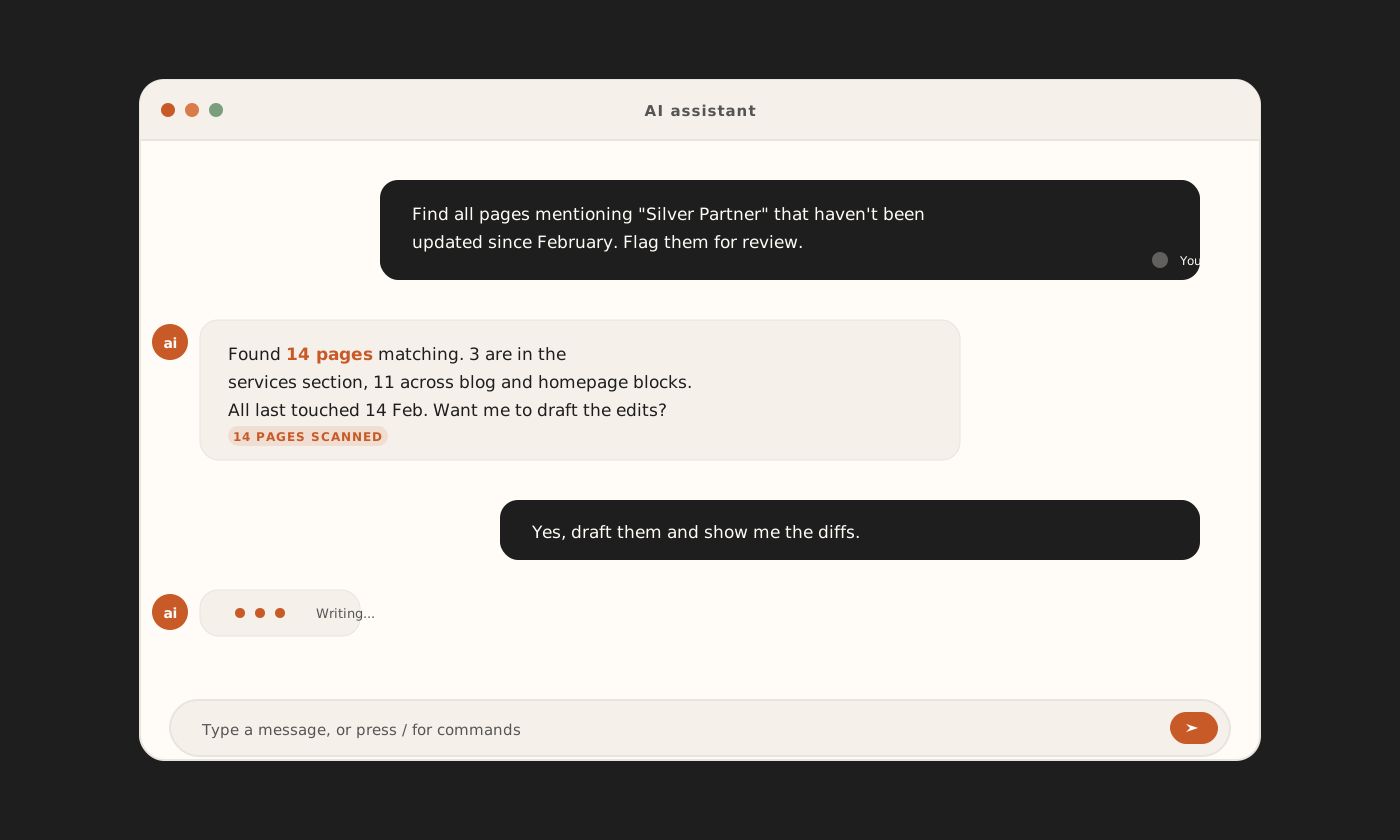
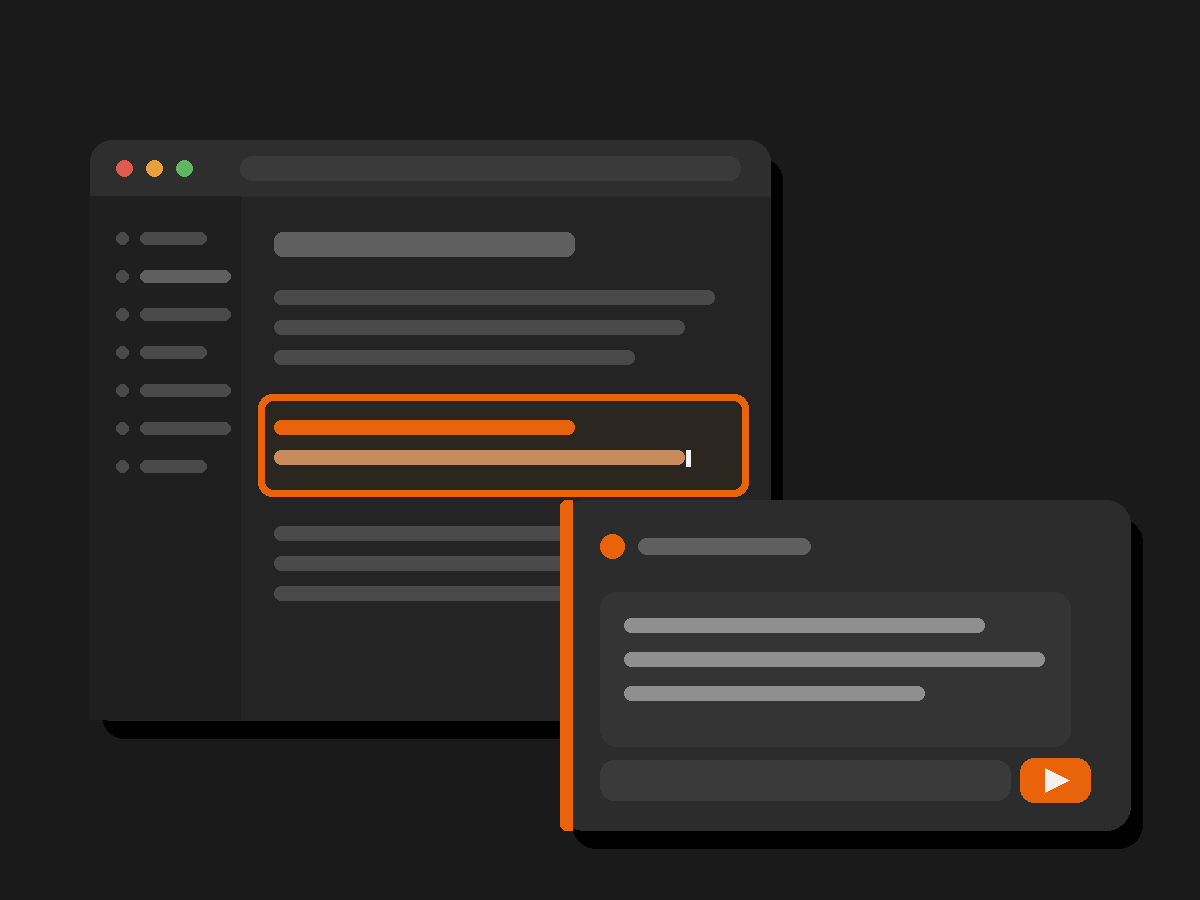
An "agent-ready" CMS is one that AI assistants like ChatGPT, Claude and Gemini can securely connect to and act in - reading content and making real changes under the same permissions your editors already have - and Umbraco has committed to becoming exactly that, with the hosted version reaching all Umbraco Cloud plans by the end of summer 2026. Picture the person on your team who publishes to the website. Right now, changing a headline or swapping a paragraph means logging into the CMS, finding the page, making the edit, and hoping nothing else moves. Soon, they could do it by asking an AI assistant they already have open. "Update the pricing page to reflect the new plan" and it happens, in your live website, with the permissions they already have.
That is not a promise from us. It is the direction Umbraco itself has just committed to, and it changes what a website team can do day to day. Here is what is actually happening, and what it means for you.
What does "agent-ready" actually mean?
An agent-ready CMS is one an AI assistant can reach into and do real work in: read content, make changes, and follow the same rules and permissions your editors already have, over a secure, standard connection.
For the last couple of years, AI assistants like ChatGPT and Claude have been able to draft, summarise and rewrite text in a chat window. What they could not do was reach into your systems and act. Your website sat on one side of a wall, your AI tools on the other, and someone had to copy content across by hand.
Umbraco is taking that wall down. It is building a secure, standard way for AI assistants to connect directly to a website and do real work in it. A CMS that can do this is what the industry now calls "agent-ready".
The practical version: your team keeps working in the AI tools they already use, and the website becomes one of the things those tools can update, rather than another tab to switch to.
What changes for the person editing your content?
The real winner here is the editor - the person who actually keeps your website current. Their day gets easier in some specific ways.
No more hunting through the back office. Instead of remembering which section a page lives in, which field controls that heading, and which button saves without publishing, they describe what they want. "Change the opening line on the about page to this" or "add the new team member to the people page, same format as the others". The assistant knows the structure of your site and does the fiddly part.
Less waiting, less asking. The small changes that normally sit in someone's inbox - a typo, a date, a swapped image, a bit of new copy - can be done in the moment by the person who spotted them. They do not have to raise a ticket or catch a developer between jobs.
Work in one place. Your editor is probably already using an AI assistant to draft and polish copy. Now the same conversation that writes the paragraph can put it live, instead of writing it in one window and pasting it into another.
A gentler learning curve. New starters and occasional editors are the ones who find a CMS most daunting. Being able to say what they want in plain English lowers that barrier considerably. The website stops being something only the "CMS person" can touch.
None of this replaces the editor's judgement about what should change. It just removes the friction between deciding and doing.
What could go wrong, and how do you set it up safely?
The risk is real but manageable: giving an AI assistant the ability to edit your live website is powerful, and anything powerful needs to be set up carefully. This is the part most people will get wrong, and where we would slow you down.
The good news is that Umbraco has built this the right way: connections use the same secure sign-in as the back office, they respect the permissions each person already has, and you choose exactly which actions to allow. An editor can be limited to editing content and nothing else.
But someone still has to make those choices deliberately: what to switch on, who gets access, which parts of the site stay off-limits. Set up well, it is as safe as any other login to your CMS. Set up carelessly, it is a door you did not mean to leave open. This is not a reason to avoid it. It is a reason to do it properly rather than experimentally.
When will this reach your Umbraco site?
The underlying tools are open and available now, and Umbraco has said the hosted, connect-with-a-link version will reach all Umbraco Cloud plans by the end of summer 2026. If your site is on Umbraco Cloud, this arrives as part of the platform; if it is self-hosted, the same open tooling can be set up for you today.
How can Simplepage help?
Simplepage is an Umbraco agency that builds and looks after Umbraco websites, and this is exactly the kind of change we watch so our clients do not have to.
Our job is to translate it into something your editors can actually use safely: connect your site, decide with you what each person should be able to do through an assistant, lock down the rest, and make sure it holds up. Your team gets the convenience without you inheriting the risk.
If your editors spend more time fighting the website than updating it, this is worth a conversation. Get in touch and we will walk you through what an agent-ready Umbraco would look like for your team.