


More and more of your customers are not typing into Google any more. They are asking ChatGPT, Perplexity, Copilot or Google's own AI answers, and getting a written reply with a handful of sources. If your website is one of those sources, you get found. If it isn't, you may as well not exist for that customer.
That shift has left a lot of business owners with a nervous question: should I be blocking AI from my site, or letting it in? The honest answer is that "AI access" isn't one switch. It's three, and they do very different things.
The three doors
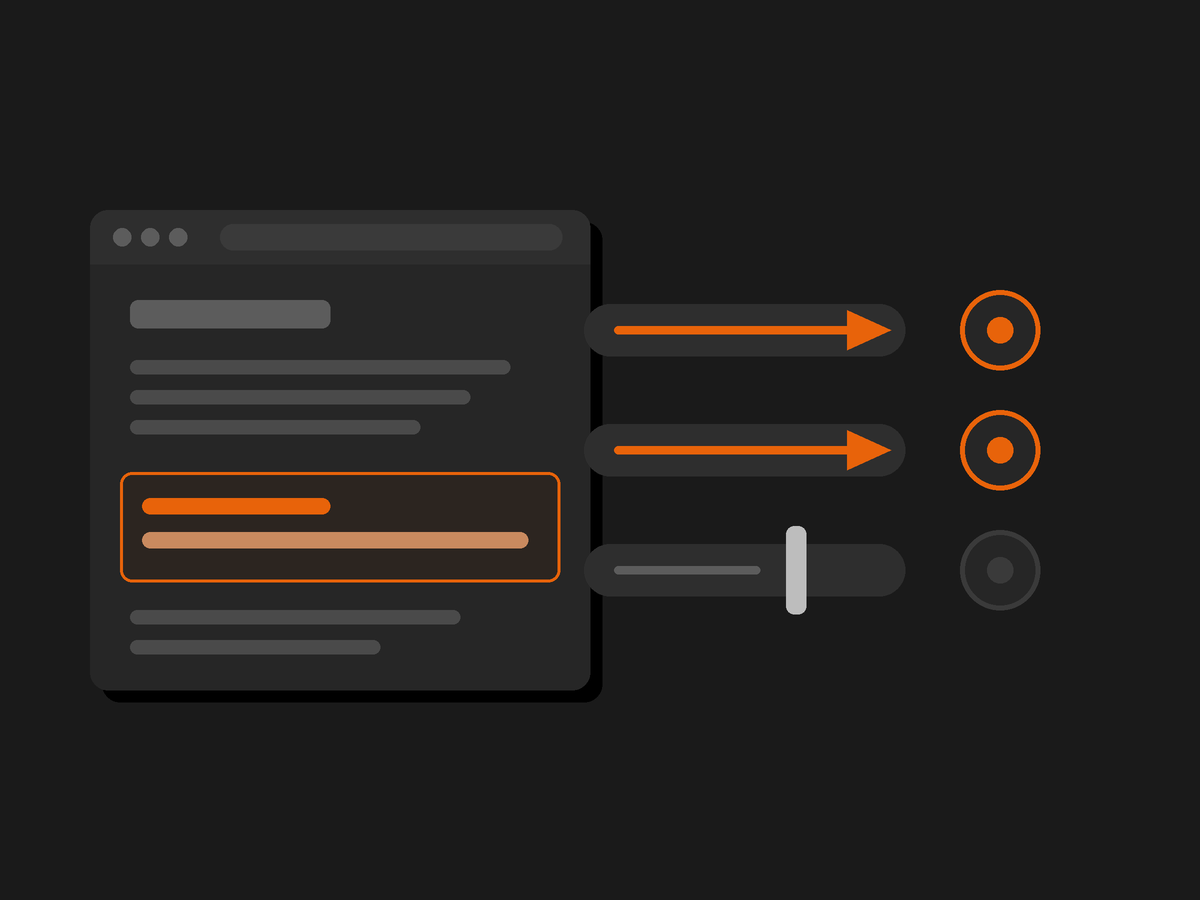
When an AI system touches your website, it's doing one of three things, and you can allow or refuse each one on its own.
The first is search. This is the AI reading your site so it can list you in results, the same job Google's crawler has always done. You want this on. It's how you show up.
The second is being read to answer a question. When someone asks an assistant something and it fetches your page live to write its reply, then links to you as the source, that's this door. This is the new version of ranking. It's where the clicks and the credit come from now. You want this on too.
The third is training. This is your content being copied into the AI model itself so it can learn from it. And here's the part most people don't realise: this door gives you nothing back. Your words go into the model, uncredited, with no link and no visitor. It doesn't help you rank, it doesn't help you get cited, and by the time that model ships, the copy of your content inside it is already out of date.
Why we turn training off by default
Because the first two doors are where you get found, and the third is just your content being taken.
So when we set up a site's AI access, our default is simple: welcome in the crawlers that list you and cite you, and keep the training grab switched off. You stay fully visible to the assistants your customers are actually using, and your content doesn't get quietly absorbed into someone else's model for free.
If you specifically want your content used for AI training, we can turn it on. Some businesses do, for their own reasons. But it's a deliberate choice you make, not something that happens to you by default.
What we actually do
Being invisible to AI answer engines is a real risk now, and it's the opposite mistake to the one people worry about. Slamming the door on everything to "protect" your content mostly just makes you harder to find.
So we do three things. We make your content easy for the right AI systems to read cleanly, so when an assistant fetches your page it gets clear, structured information instead of a mess of menus and banners. We keep the search and answer crawlers welcome, because that's how you get listed and cited. And we keep the training door closed unless you tell us otherwise.
The result is a site that shows up when your customers ask an AI about what you do, without handing your work over for free. That's the balance most businesses actually want, and until you separate the three doors it's easy to get it wrong in either direction.
If you're not sure which doors your site currently has open, that's exactly the kind of thing we check. Get in touch and we'll take a look.
